-

·
DNS Blocking Explained: Why Some Websites Become Unreachable
DNS blocking prevents domain names from resolving to IP addresses, making websites unreachable. Governments, ISPs, and corporations use it for censorship and filtering, but you can bypass it with public DNS servers, encrypted DNS protocols, or VPNs.
-

·
How to Configure SOCKS5 Proxy Settings on Windows
Windows doesn’t support system-wide SOCKS5 natively. Configure it per-browser in Firefox, use command-line flags for Chrome/Edge, or deploy third-party tools like Proxifier for system-wide coverage.
-

·
Best Types of Privacy Tools for Everyday Internet Users in 2024
Discover six essential privacy tools that everyday internet users can implement without technical expertise—from VPNs and password managers to encrypted messaging and tracker blockers.
-

·
How Websites Track Users Even When Their IP Address Changes
Changing your IP address through a VPN or proxy doesn’t stop website tracking. Learn how fingerprinting, cookies, and authentication bypass IP-based privacy protections.
-
·
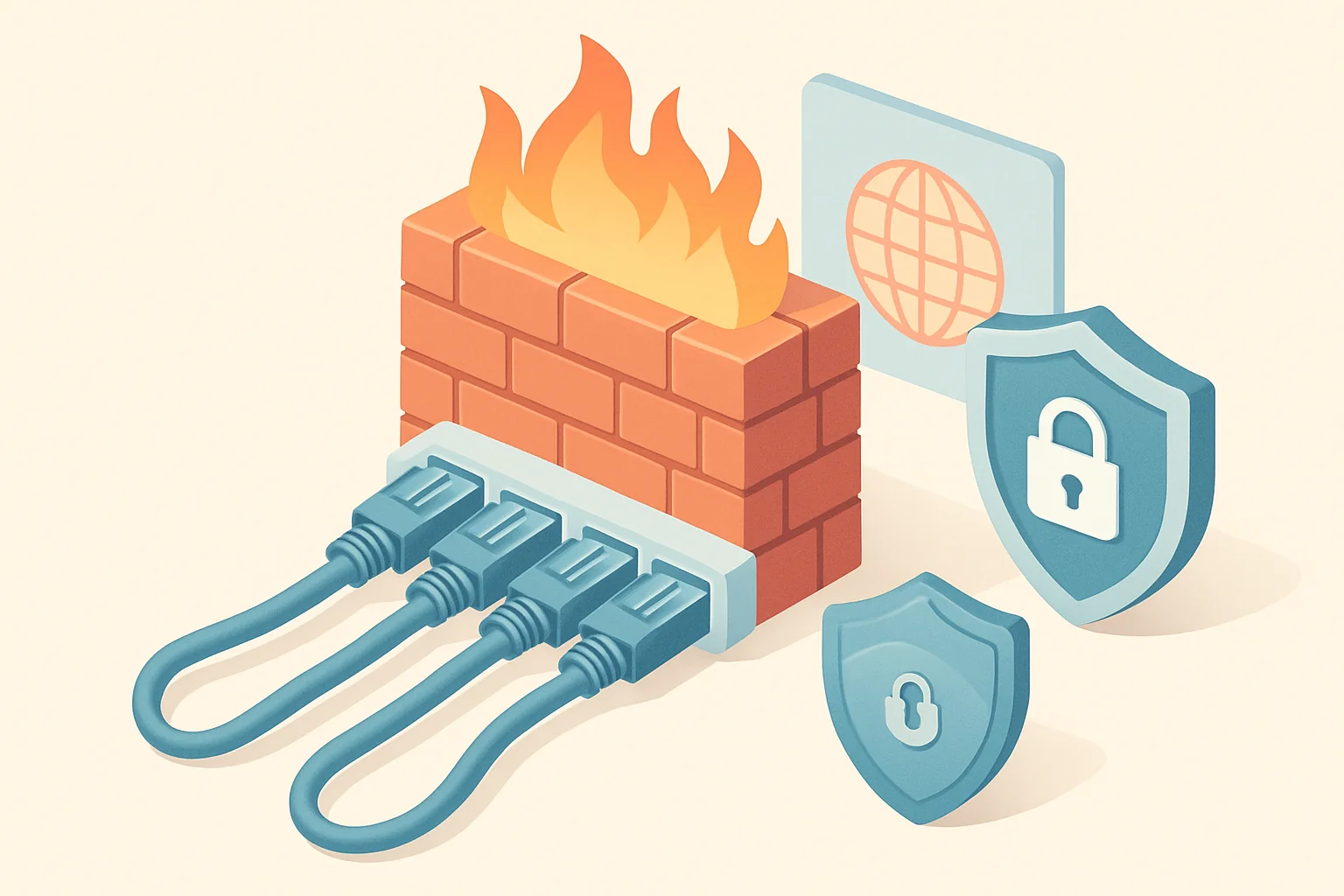
How Websites Get Blocked: DNS, IP and Network Filtering Explained
Websites get blocked through five technical methods: DNS filtering, IP blocking, deep packet inspection, SNI filtering, and content-based filtering. Understanding these mechanisms helps you choose circumvention tools that actually work.